
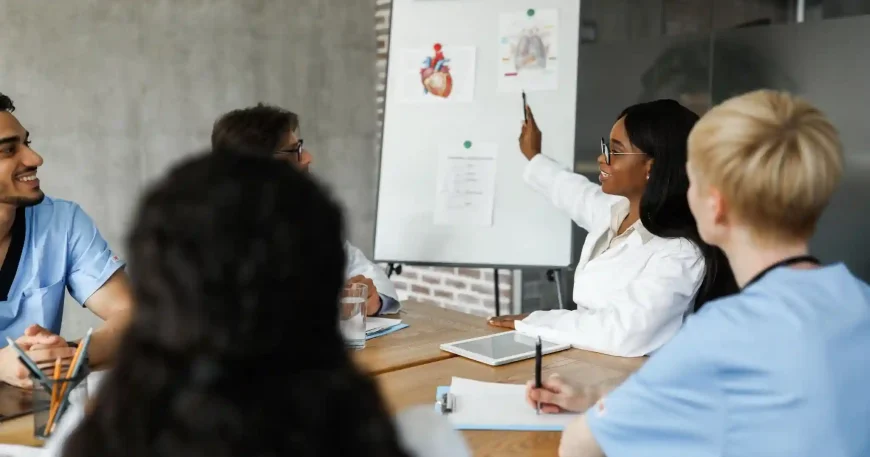
In the ever-evolving field of medicine, continuous education is essential for healthcare professionals. Medical conferences serve as a vital platform for continuing medical education (CME) and professional development. These gatherings not only provide opportunities to learn about the latest advancements in medical science but also foster networking and collaboration among professionals. In this article, we will explore how medical conferences impact CME and professional development, highlighting real-life examples, expert insights, and the overall significance of these events in the medical community.
Understanding Continuing Medical Education (CME)
Continuing medical education (CME) refers to the educational activities that healthcare professionals engage in to maintain, develop, or increase their knowledge, skills, and professional performance. CME is crucial because it ensures that medical practitioners stay updated on the latest research, techniques, and technologies relevant to their fields.
The Role of CME in Healthcare
CME plays a vital role in improving patient care by ensuring that healthcare professionals are aware of new treatments, medications, and best practices. The American Medical Association (AMA) emphasizes that ongoing education is key to enhancing the quality of healthcare services. By participating in CME activities, healthcare providers can refine their skills, adopt new practices, and ultimately contribute to better patient outcomes.
The Significance of Medical Conferences
Medical conferences are gatherings where healthcare professionals come together to share knowledge, discuss advancements, and network. These events are often organized around specific fields of medicine, such as cardiology, oncology, or pediatrics, and feature a variety of sessions, including keynote speeches, workshops, and panel discussions.
Networking Opportunities
One of the most significant benefits of attending medical conferences is the opportunity to network with peers, experts, and industry leaders. Building professional relationships can lead to collaborations, mentorships, and even job opportunities. For example, a young physician attending a cardiology conference might connect with a seasoned cardiologist who becomes a mentor, guiding them through their career.
Exposure to New Research and Technologies
Medical conferences provide a platform for researchers and practitioners to present their latest findings and innovations. Attendees gain firsthand insights into cutting-edge research, emerging technologies, and novel treatment methodologies. This exposure is invaluable for healthcare professionals seeking to incorporate the latest evidence into their practice.
For instance, at the annual American College of Cardiology (ACC) conference, cardiologists from around the world present research on innovative treatments and technologies, such as new drug therapies or advanced imaging techniques. This allows attendees to stay informed about the latest developments in their field.
The Direct Impact of Medical Conferences on CME
Medical conferences are intrinsic to the CME landscape, directly influencing the education and professional development of healthcare professionals. Here are several ways these events contribute to CME:
Interactive Learning Experiences
Unlike traditional forms of education, such as online courses or textbooks, medical conferences often feature interactive sessions that engage attendees. Workshops, hands-on demonstrations, and case study discussions allow healthcare professionals to apply their knowledge in real-time.
For example, a surgical conference might offer live demonstrations of new surgical techniques, allowing participants to observe and even practice these methods under the guidance of experts. This experiential learning approach enhances retention and skill acquisition, ultimately benefiting patient care.
Accreditation and Certification
Many medical conferences are accredited by organizations that provide CME credits to attendees. These credits are crucial for healthcare professionals to maintain their licenses and certifications. By attending accredited conferences, professionals can fulfill their CME requirements while gaining valuable knowledge.
The American Academy of Family Physicians (AAFP) is one such organization that accredits various medical conferences. Attending an AAFP-accredited conference allows family physicians to earn CME credits while learning about the latest advancements in their field.
Expert Insights and Diverse Perspectives
Medical conferences often feature a diverse range of speakers, including renowned experts, researchers, and practitioners. This diversity enriches the learning experience by providing multiple perspectives on complex issues.
For instance, a conference on mental health might feature speakers from various disciplines, including psychiatry, psychology, and social work. This interdisciplinary approach allows attendees to gain a more comprehensive understanding of mental health issues and the various treatment modalities available.
Real-Life Examples of Impactful Medical Conferences
Several medical conferences have garnered recognition for their contributions to CME and professional development. Here are a few noteworthy examples:
The American Medical Association (AMA) Annual Meeting
The AMA Annual Meeting brings together physicians from across the United States to discuss pressing issues in healthcare. The conference features educational sessions, policy discussions, and opportunities for networking. Attendees can earn CME credits while engaging with experts on topics such as healthcare policy, patient safety, and medical ethics.
The European Society of Cardiology (ESC) Congress
The ESC Congress is one of the largest cardiology conferences worldwide, attracting thousands of healthcare professionals. The conference showcases the latest research in cardiovascular medicine and provides numerous educational sessions and workshops. Participants can earn CME credits while learning about advancements in diagnostics, treatment options, and patient management.
The American Society of Clinical Oncology (ASCO) Annual Meeting
ASCO’s Annual Meeting is a premier event for oncology professionals, focusing on the latest research in cancer treatment and care. The conference features presentations on groundbreaking clinical trials, new therapies, and best practices in cancer management. Attendees benefit from expert insights and can earn CME credits to fulfill their professional development needs.
The Importance of Feedback and Evaluation
To maximize the impact of medical conferences on CME, organizers often seek feedback from attendees. Evaluating the effectiveness of educational sessions helps identify areas for improvement and ensures that future conferences meet the needs of participants.
Real-Time Feedback
Many conferences utilize technology to gather real-time feedback from attendees. This can include live polling during sessions to gauge understanding or post-session surveys to assess the relevance and applicability of the content.
For instance, a conference on diabetes management might ask attendees to rate a session on new insulin delivery systems. This feedback can inform future programming and help organizers tailor content to the audience’s needs.
Long-Term Follow-Up
In addition to immediate feedback, some conferences implement long-term follow-up strategies to assess how the information presented influenced attendees’ practices. This can include surveys sent months after the conference to evaluate whether participants adopted new techniques or changed their clinical approaches based on what they learned.
Such follow-ups can provide valuable insights into the effectiveness of the conference in achieving its educational goals and enhancing the quality of patient care.
Barriers to Participation in Medical Conferences
While medical conferences offer numerous benefits, there are barriers that can hinder participation. Understanding these challenges is crucial for improving access and engagement.
Cost Considerations
The cost of attending medical conferences can be a significant barrier for many healthcare professionals. Registration fees, travel expenses, and accommodation costs can add up quickly, making it difficult for some to participate.
To address this issue, many organizations offer scholarships or grants to help offset costs for early-career professionals or those from underrepresented backgrounds. Additionally, virtual conferences have emerged as a more affordable and accessible option, allowing participants to attend from anywhere in the world.
Time Constraints
Healthcare professionals often face demanding schedules, making it challenging to find time to attend conferences. The increasing responsibilities of patient care, administrative duties, and continuing education requirements can leave little room for attending events.
To mitigate this challenge, many conferences now offer hybrid formats, combining in-person and virtual sessions. This flexibility allows participants to engage with the content on their own terms, whether attending live or accessing recorded sessions later.
The Future of Medical Conferences and CME
As technology continues to evolve, so too will the format and delivery of medical conferences. Here are some trends that are shaping the future of these events:
Virtual and Hybrid Conferences
The COVID-19 pandemic accelerated the shift toward virtual and hybrid conferences, making them more accessible to a broader audience. This trend is likely to continue, allowing professionals to participate in conferences without the constraints of travel and time.
Increased Focus on Interactivity
Future medical conferences will likely place a greater emphasis on interactivity and engagement. This could include more hands-on workshops, simulations, and opportunities for real-time collaboration among attendees.
Data-Driven Insights
Advancements in data analytics will enable conference organizers to better understand attendee preferences and tailor content accordingly. By analyzing participation patterns and feedback, organizers can create more personalized experiences that meet the diverse needs of attendees.
Conclusion
Medical conferences play a crucial role in advancing continuing medical education (CME) and professional development. By providing opportunities for networking, exposure to new research, and interactive learning experiences, these events contribute significantly to the ongoing education of healthcare professionals.
As the landscape of medical conferences continues to evolve, it is essential to address barriers to participation and leverage technology to enhance accessibility. By doing so, we can ensure that healthcare professionals remain informed, skilled, and prepared to deliver the highest quality of care to their patients.
Frequently Asked Questions (FAQs)
What is the purpose of medical conferences?
Medical conferences aim to provide continuing education, facilitate networking, and share the latest advancements in healthcare among professionals.
How do medical conferences contribute to CME?
Medical conferences offer accredited educational sessions that allow healthcare professionals to earn CME credits while learning about new research and practices.
What are the benefits of attending medical conferences?
Attending medical conferences allows professionals to network with peers, gain insights from experts, and stay updated on the latest advancements in their field.