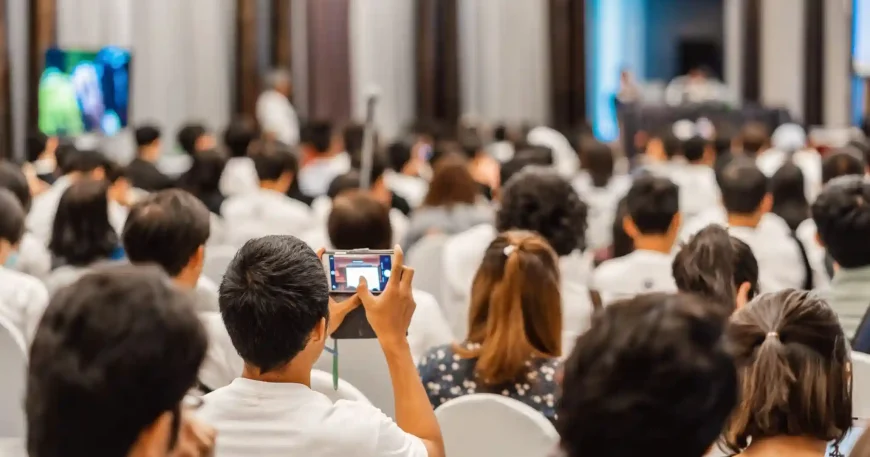
Conferences have changed a lot in the last decade. They are no longer just about sitting in sessions and collecting brochures. Today, they are fast-paced, information-heavy environments where hundreds of ideas, speakers, and networking opportunities compete for attention. Without structure, it is easy to miss key insights. This is where medical conference tools and other digital resources become essential. Attendees now rely on apps to manage schedules, connect with peers, and capture knowledge in real time. These tools reduce confusion and help professionals stay focused on what matters most. In medical conferences, especially, where new research and clinical updates are shared rapidly, efficiency is critical. The right digital toolkit turns a chaotic experience into a structured learning journey.
Pre-conference preparation tools for better planning
A successful conference experience starts long before the event begins. Preparation tools help attendees build a clear strategy instead of reacting on the spot. Agenda-building platforms are especially useful. They allow users to browse sessions in advance and select the most relevant ones. This is important in medical conferences where multiple parallel tracks often run at the same time. Speaker research tools also add value. Attendees can review keynote backgrounds, published studies, and previous talks. This creates context and improves engagement during sessions. Note-taking and goal-setting apps help define what you want to achieve. Instead of attending randomly, professionals can set learning goals such as “understand new treatment protocols” or “identify research collaboration opportunities.” This structured approach makes conference time more productive.
Must-have mobile apps for real-time conference navigation
Event-specific conference apps
Most modern conferences now offer dedicated mobile apps. These are central to navigating large events. They provide real-time schedules, room maps, and personalized agendas. For medical conferences, these apps often include session abstracts, speaker bios, and CME credit tracking. This makes them more than just schedules—they become learning hubs. Push notifications are another advantage. They alert attendees about room changes or upcoming sessions. This reduces missed opportunities and helps manage time more effectively.
Networking and communication apps
Networking is one of the most valuable parts of any conference. Communication apps help attendees connect with peers, speakers, and exhibitors. Many conferences now integrate chat systems within their official apps. Others rely on professional platforms like LinkedIn for follow-ups. Some even use AI-powered matchmaking features that suggest relevant contacts based on interests or specialties. In medical conferences, this can lead to meaningful professional collaborations. Doctors, researchers, and industry experts can connect more efficiently than ever before.
Digital note-taking and knowledge management tools
Information overload is a real challenge at conferences. Multiple sessions, presentations, and discussions happen in a single day. Without a system, valuable insights can be lost. Cloud-based note-taking tools solve this problem. They allow attendees to organize notes by session, speaker, or topic. This makes it easier to review content later. Voice-to-text tools are especially useful during fast-paced talks. Instead of typing, attendees can record key points quickly and accurately. This is helpful in medical conferences where terminology can be complex. Knowledge management platforms take this further. They allow users to tag insights, link related ideas, and build a long-term learning archive. This transforms conference learning into ongoing professional development.
Networking tools that enhance professional connections
Networking has shifted from exchanging business cards to building digital relationships. Modern tools make this process smoother and more intentional. AI-powered networking platforms analyze attendee profiles and suggest relevant connections. This is particularly useful in large medical conferences where thousands of participants attend. LinkedIn remains a key platform for professional follow-ups. Many attendees now connect instantly after meeting someone, rather than waiting until after the event. Digital business card apps are also gaining popularity. Instead of paper cards, attendees can share contact details instantly through QR codes or links. This reduces friction and ensures contacts are not lost.
Productivity tools to stay focused during events
Conferences can be overwhelming. Without proper focus, attendees may experience fatigue or miss important sessions. Time management tools help structure the day. Attendees can set reminders for sessions, breaks, and networking meetings. This creates a balanced schedule. Task tracking apps are also useful. Professionals can list goals for each day, such as attending specific talks or meeting certain people. In medical conferences, where schedules are packed, these tools help prevent cognitive overload. They ensure that attention is directed toward high-value activities rather than scattered across too many options.
Tools for capturing and sharing conference insights
Content creation tools
Many attendees now share insights during conferences. Content creation tools make this easier. They allow quick writing, editing, and publishing of summaries or reflections. In medical conferences, this can include sharing research highlights or clinical updates with professional networks. This helps extend learning beyond the event itself.
Social media tools for live engagement
Social media plays a growing role in conferences. Hashtag tracking tools help users follow event discussions in real time. Scheduling tools allow attendees to post updates without disrupting sessions. This ensures consistent engagement while staying focused on learning. Live sharing also increases visibility and networking opportunities. It connects attendees with a global audience interested in the same topics.
Post-conference tools for knowledge retention
The value of a conference does not end when it finishes. Post-conference tools help retain and apply what was learned. Digital archiving tools allow users to store notes, slides, and recordings in one place. This makes future reference easier. Learning reinforcement apps help revisit key concepts over time. This is especially important in medical fields where knowledge evolves quickly. Follow-up communication tools ensure that new connections are maintained. Sending messages, sharing resources, or scheduling follow-ups keeps professional relationships active.
Specialized tools for medical conferences
Medical conferences require more specialized resources compared to general events. Clinical reference apps are widely used during sessions. They help attendees verify information and explore related studies in real time. Evidence-based research databases provide access to the latest medical literature. This ensures that discussions are supported by current data. Continuing education tracking platforms are also important. They help professionals log CME credits and monitor their learning progress. These medical conference tools are essential for maintaining professional standards and certifications.
Common mistakes when using conference tools
While tools are helpful, misuse can reduce their effectiveness. One common mistake is using too many apps at once. This creates confusion instead of clarity. Another issue is lack of structure. Without a plan, even the best tools become overwhelming. Attendees may spend more time managing apps than attending sessions. Over-reliance on digital tools is also a risk. Conferences are still human experiences. Ignoring face-to-face networking reduces long-term value. The key is balance. Tools should support the experience, not replace it.
Future trends in conference technology
Conference technology is evolving quickly. AI assistants are expected to play a larger role. They may help summarize sessions, suggest networking opportunities, and even translate content in real time. Augmented reality is also emerging. It could transform how attendees navigate venues or interact with presentations. In the future, conferences may become fully integrated digital ecosystems. All tools—scheduling, networking, learning, and follow-ups—will work together seamlessly. This will make the conference experience more personalized and efficient.
Conclusion
Maximizing a conference experience is no longer just about attendance. It is about strategy. The right combination of tools, apps, and resources can significantly improve learning and networking outcomes. The most effective approach is not to use every tool available but to build a personalized system. This includes preparation apps, real-time navigation tools, note-taking systems, and post-event learning platforms. In medical conferences especially, structured use of medical conference tools can enhance both professional growth and practical learning. However, technology should always support human interaction, not replace it. A well-planned digital toolkit transforms conferences from overwhelming events into focused, high-value experiences that continue to deliver benefits long after they end.