
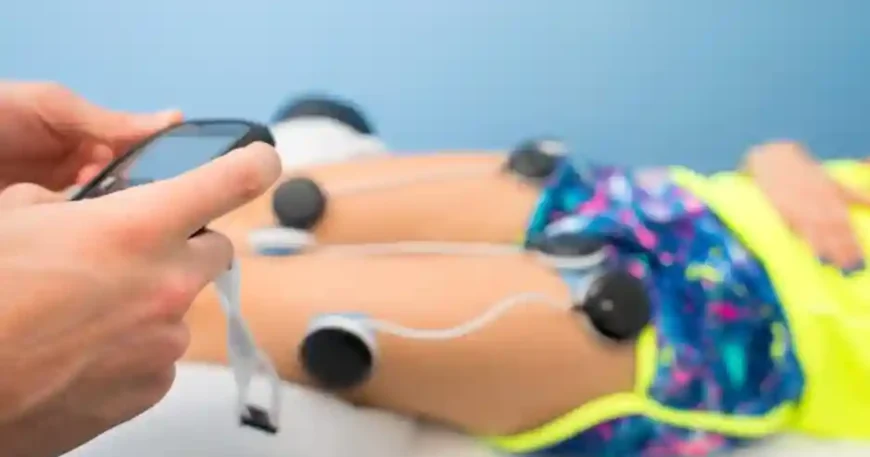
Sports injuries are common for athletes and active individuals. Sprains, strains, and bruises can make it hard to continue training or playing. Recovering from these injuries often takes time, and improper treatment may slow healing or cause long-term issues. Fortunately, modern soft tissue injury treatment devices have made recovery faster and more effective. These devices are designed to help injured muscles, ligaments, and tendons heal properly while reducing pain and inflammation.
Understanding Soft Tissue Injuries
Soft tissue injuries occur when muscles, tendons, or ligaments are stretched, torn, or damaged. Common examples include ankle sprains, hamstring strains, and tendonitis. These injuries can range from mild discomfort to severe pain and limited mobility. Without proper care, soft tissue injuries may lead to chronic problems or repeated injuries. Treatment focuses on reducing pain, controlling swelling, and restoring normal function as quickly as possible.
What Is a Soft Tissue Injury Treatment Device?
A soft tissue injury treatment device is a tool or machine designed to support the healing process of muscles, tendons, and ligaments. These devices use technologies such as heat, cold, ultrasound, electrical stimulation, or compression to promote faster recovery. They are often used by physical therapists, sports medicine professionals, and sometimes at home under guidance. By targeting the injured area directly, these devices can enhance blood flow, reduce inflammation, and relieve pain more effectively than standard rest and ice alone.
How These Devices Help Speed Up Recovery
Soft tissue injury treatment devices provide several benefits that help athletes recover faster. Heat therapy devices, for example, relax tight muscles and improve circulation, which supplies oxygen and nutrients to the injured tissue. Cold therapy devices help reduce swelling and numb pain after an acute injury. Ultrasound and electrical stimulation devices encourage tissue repair and reduce scar formation. Compression devices improve lymphatic drainage, which removes waste products from the injury site. By using these devices as part of a comprehensive treatment plan, athletes can return to training sooner and with less risk of reinjury.
Supporting Pain Management
Pain is one of the most challenging aspects of recovering from sports injuries. Soft tissue injury treatment devices can reduce the need for pain medications by targeting the problem directly. Electrical stimulation and ultrasound devices provide pain relief by affecting nerve signals and promoting natural healing responses. Ice or cold therapy devices help manage acute pain, especially in the first 48 hours after an injury. By controlling pain effectively, athletes are more likely to follow rehabilitation exercises correctly, which is essential for long-term recovery.
Enhancing Physical Therapy
Rehabilitation exercises are crucial for restoring strength, flexibility, and coordination after a sports injury. Soft tissue injury treatment devices complement these exercises by preparing the injured area for movement and reducing discomfort during therapy. For instance, warming devices can loosen tight muscles before stretching, and electrical stimulation can activate muscles that are weak after an injury. This combination of therapy and device-assisted treatment helps prevent stiffness and accelerates the return of normal function.
Safe and Convenient Use
Modern soft tissue injury treatment devices are designed to be safe and user-friendly. Many devices are portable, allowing athletes to use them at home, during travel, or immediately after practice. Most devices come with clear instructions and adjustable settings to match the injury type and severity. It is important, however, to follow professional guidance to avoid overuse or incorrect application, which can interfere with healing.
Conclusion
Soft tissue injuries are a common part of sports, but recovery does not have to be slow or painful. Using a soft tissue injury treatment device can significantly improve healing by reducing pain, controlling swelling, and supporting rehabilitation exercises. These devices enhance the body’s natural repair processes, helping athletes regain strength, flexibility, and confidence more quickly. By integrating these tools into a structured treatment plan, injured individuals can recover safely and return to their activities sooner, making soft tissue injury treatment devices a valuable part of modern sports medicine.