
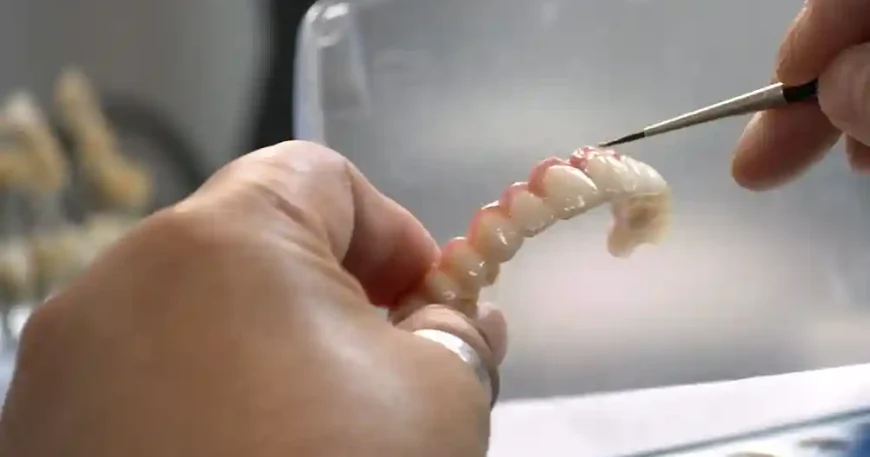
The loss of multiple teeth creates functional and aesthetic challenges that conventional dentures address incompletely. Modern implant dentistry offers solutions that restore full chewing function, preserve jawbone structure, and deliver natural-looking results that patients can maintain just like their own teeth. Options ranging from individual dental implants to comprehensive full-arch solutions give patients access to restorations that match their specific needs and clinical circumstances.
Traditional Dental Implants for Single and Multiple Tooth Replacement
Individual dental implants replace single missing teeth with restorations that are functionally and aesthetically indistinguishable from natural teeth in most cases. Each implant consists of a titanium post that integrates with the jawbone, an abutment that connects the post to the crown, and a ceramic or porcelain crown matched to the color and shape of adjacent natural teeth. Multiple implants can support fixed bridges that replace several adjacent missing teeth without crowns on natural teeth as support. This approach preserves the natural teeth that would otherwise need to be prepared as bridge abutments, protecting their long-term health while restoring the missing teeth with stable, permanent restorations.
Hybridge and Full-Arch Implant Solutions
The full-arch hybridge dental implants provide a clinically sophisticated solution for patients who have lost or are losing all of their teeth in one or both arches. The system uses a fixed number of strategically positioned implants to support a full-arch prosthesis that replaces all of the teeth in the arch. Unlike removable dentures, the Hybridge prosthesis is fixed in place, does not cover the palate, and allows patients to eat with bite forces approaching those of natural dentition. The fixed nature of the restoration eliminates the instability, discomfort, and social anxiety associated with conventional dentures that do not provide adequate stability and retention.
The Importance of Bone Volume in Implant Planning
Successful dental implant placement depends on adequate bone volume to accommodate implant posts of sufficient length and diameter to achieve stable osseointegration. Patients who have experienced bone loss following prolonged tooth loss or periodontal disease may require bone grafting procedures to rebuild the implant site before placement can proceed. Socket preservation grafting at the time of tooth extraction prevents the bone loss that occurs naturally after extraction, maintaining the bone volume needed for future implant placement. Sinus lift procedures add bone height in the posterior upper jaw where the sinus floor limits implant length. Advances in bone grafting materials and techniques have significantly expanded the pool of patients who can benefit from implant treatment.
Aesthetic Planning for Natural-Looking Results
Achieving natural-looking implant restorations requires careful planning of the gum tissue architecture around each implant in addition to the fabrication of well-designed crowns and prostheses. The gum tissue that surrounds a natural tooth emerges in a specific anatomical pattern that creates the appearance of a tooth naturally rooted in tissue. Implant-supported crowns require either naturally preserved or surgically created tissue architecture that mimics this emergence profile convincingly. Digital smile design and prosthetic planning tools allow patients to preview the aesthetic outcome before treatment begins, ensuring that the final result reflects their preferences for tooth shape, size, and color.
Comparing Implants to Conventional Dentures
Patients considering full-arch tooth replacement benefit from an honest comparison between implant-supported and conventional removable options. Conventional complete dentures rest on the gum tissue and are retained by suction and adhesives that provide variable stability, particularly in the lower arch where there is no palatal suction. They do not prevent jawbone resorption and require periodic relining as the bone changes shape beneath them. Implant-supported restorations are stable, stimulate bone, do not require adhesives, and are maintained with the same brushing and flossing used for natural teeth. The higher initial investment in implant treatment is offset over time by reduced maintenance requirements and the superior quality of life that fixed implant restorations provide.
Conclusion
Dental implants and full-arch implant solutions represent a genuine advancement in the quality of care available to patients experiencing tooth loss at any scale. By combining titanium osseointegration technology with sophisticated prosthetic design and individualized treatment planning, modern implant dentistry delivers restorations that restore function, preserve bone, and provide aesthetic results that allow patients to smile, eat, and speak with the confidence that natural dentition provides. Consulting an experienced implant team is the first step toward understanding the options available for each patient’s specific situation.