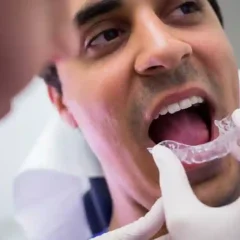

A healthy smile is often the first thing people notice, but the benefits of good oral hygiene extend far beyond aesthetics. Maintaining your teeth and gums is a vital component of your overall physical health, as dental issues can often be linked to more serious systemic conditions.
By adopting a consistent routine and being mindful of your habits, you can prevent tooth decay, gum disease, and the discomfort associated with dental neglect. The following guide outlines practical steps to ensure your teeth remain strong and functional throughout your life.
Mastering the Fundamentals of Daily Brushing and Flossing
The most effective way to protect your teeth is through a rigorous daily cleaning routine. You should brush your teeth at least twice a day using a soft-bristled toothbrush and fluoride toothpaste.
Brushing should last for at least two minutes, ensuring that you reach the front, back, and chewing surfaces of every tooth. Flossing is equally important, as it removes plaque and food particles from tight spaces where a toothbrush cannot reach.
When you skip flossing, you leave nearly a third of your tooth surfaces uncleaned, which significantly increases the risk of cavities and gingivitis.
Understanding the Importance of Professional Dental Services
While home care is essential, it cannot replace the expertise of a trained professional. Seeking regular dental services for comprehensive checkups and cleanings is necessary to maintain a healthy mouth.
During these appointments, a hygienist can remove hardened tartar that regular brushing cannot budge, while a dentist can identify early signs of decay or oral cancer.
These preventative visits often catch minor issues before they turn into painful and expensive emergencies, saving you time and protecting your long-term oral health through specialized diagnostic tools.
Adopting a Nutrient Rich Diet for Dental Care
What you eat has a direct impact on the integrity of your tooth enamel. Incorporating a nutrient rich diet for dental care involves consuming plenty of calcium-heavy foods like leafy greens, almonds, and dairy products to strengthen the jawbone and teeth.
Phosphorus, found in eggs and lean meats, also plays a critical role in tooth repair. It is equally important to limit the intake of sugary and acidic foods, which can erode enamel and provide fuel for harmful bacteria. Choosing water over sugary beverages helps wash away food debris and keeps your mouth hydrated.
Protecting Your Smile from Physical Trauma and Wear
Many dental injuries occur during physical activities or as a result of unconscious habits. If you participate in contact sports, wearing a custom-fitted mouthguard can prevent chipped or knocked-out teeth.
Additionally, many individuals suffer from bruxism, which is the involuntary grinding of teeth during sleep. This habit can lead to worn-down enamel and chronic jaw pain.
If you suspect you grind your teeth, consulting a professional for a night guard can provide a necessary barrier that preserves your tooth structure and prevents long-term structural damage.
The Role of Hydration and Saliva in Oral Protection
Saliva is one of the most underrated natural defenses for your teeth. It helps neutralize the acids produced by bacteria and provides high levels of calcium and phosphate that help rebuild enamel. To ensure your body produces enough saliva, it is important to stay well-hydrated throughout the day.
Dry mouth can be caused by certain medications or dehydration, and it significantly accelerates the rate of tooth decay. Chewing sugar-free gum can also stimulate saliva flow, offering an extra layer of protection after meals when you are unable to brush immediately.