
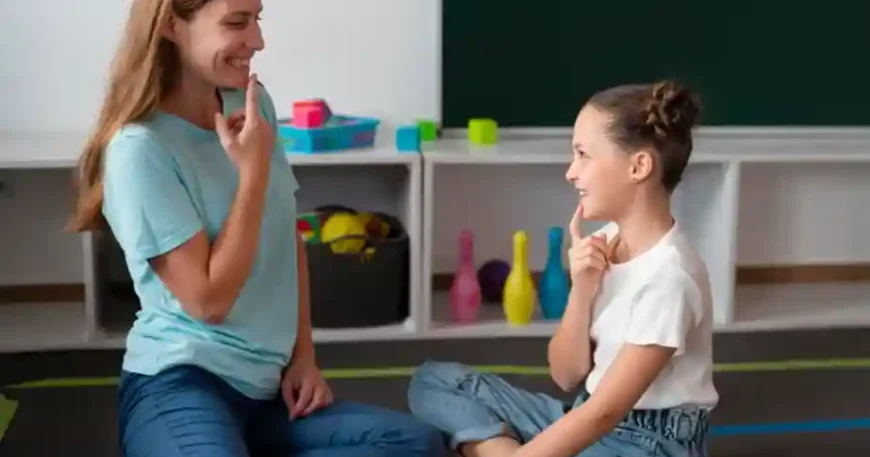
Childhood is an important stage where emotions, thinking, and behavior develop rapidly. During this time, children may face challenges such as anxiety, sadness, difficulty in expressing feelings, or changes in behavior. Supportive care during these years can make a big difference in shaping a child’s emotional health. One helpful approach is therapy for children, which provides a safe space for them to understand and manage their feelings. It also helps them build confidence and develop healthy coping skills for everyday life challenges. This support is very important in early life.
Understanding Emotional Growth in Children
Understanding emotional growth in children is essential for their overall development. Children learn how to recognize, express, and manage emotions as they grow. However, they may struggle to understand complex feelings such as anger, fear, or sadness. With the right support, they can slowly build emotional awareness and stability. In this stage, therapy for children can play a helpful role by guiding them to identify their emotions in a safe environment. It also encourages them to express themselves without fear or judgment. This helps children become more emotionally balanced and self-aware in daily life naturally.
Role of Therapy for Children in Emotional Support
The role of therapy for children in emotional support is very important for helping them cope with life challenges. It provides a structured and safe environment where children can talk about their feelings openly. Many children find it hard to express emotions at home or school so professional guidance becomes valuable. Through therapy for children, they learn ways to manage stress, reduce anxiety, and handle emotional ups and downs. It also helps them feel heard and understood, which improves their sense of security. Over time, this support builds stronger emotional resilience and healthier mental development gradually.
Building Communication and Social Skills
Building communication and social skills is another important benefit of therapy for children. Many children struggle to express their thoughts clearly or interact confidently with others. Therapy provides them with guided practice to improve these skills in a supportive setting. They learn how to listen, respond, and share ideas in a healthy way. Therapy for children also encourages teamwork and understanding of social cues, which are important in school and friendships. As these skills improve, children become more confident in social situations and are better able to build positive relationships with others over time gradually.
Supporting Mental Wellbeing and Confidence
Supporting mental wellbeing and confidence is a key outcome of therapy for children. When children receive proper emotional support, they begin to feel more secure and valued. This improves their overall mental health and helps them deal with stress in a healthier way. Therapy for children teaches coping strategies that make it easier for them to face challenges without feeling overwhelmed. It also builds self-esteem, allowing children to believe in their abilities. As a result, they become more positive, independent, and emotionally stable in their everyday lives and future growth in the long run beneficial.
Conclusion
Therapy for children plays a vital role in supporting emotional growth and mental wellbeing. It helps children understand their feelings, communicate better, and build confidence in themselves. With the right support, children can develop strong coping skills that prepare them for future challenges. Therapy for children also creates a safe space where they feel valued and heard. Overall, it contributes to healthier emotional development and a more positive outlook on life, helping children grow into balanced and confident individuals.