
In the fast-paced world of healthcare, staying updated is not just an advantage; it’s a necessity. For doctors, nurses, and researchers, the demands of the profession require continuous learning, networking, and adapting to new innovations. One of the most effective avenues for achieving these goals is by attending medical conferences. These events serve as vital platforms for sharing knowledge, building connections, and fostering professional growth. In this blog post, we will delve into the numerous benefits of medical conferences, exploring how they can enhance the careers of healthcare professionals while ultimately improving patient care.
Networking Opportunities
Building Professional Relationships
Medical conferences provide an unparalleled opportunity for healthcare professionals to connect with peers and industry leaders. In an environment where collaboration is key, the relationships formed at these gatherings can lead to valuable partnerships and collaborative research efforts.
Imagine a nurse meeting a leading researcher in infectious diseases at a conference. A simple conversation could spark a collaboration that leads to groundbreaking studies and improved patient protocols. These professional relationships often extend beyond the conference, creating a network of support and knowledge sharing that can last a lifetime.
Expanding Professional Contacts
Attending a medical conference is like opening a door to a world of possibilities. You meet professionals from diverse specialties, each bringing their unique perspectives and experiences. This exposure not only enriches your understanding of various fields but also broadens your professional network.
For instance, a physician attending a cardiology conference may meet nurses specializing in cardiac care, pharmacists, and researchers. These connections can open doors to new job opportunities and collaborative projects that enhance your career trajectory. The benefits of networking extend far beyond the conference walls, fostering relationships that can lead to mentorship, collaboration, and even lifelong friendships.
Access to the Latest Research and Innovations
Exposure to Cutting-Edge Studies
One of the primary benefits of attending medical conferences is the exposure to the latest research and innovations in the healthcare field. Conferences often feature presentations from leading experts who share their findings on groundbreaking studies.
For example, imagine attending a session on a new cancer treatment that significantly improves patient outcomes. This information can directly influence your practice, allowing you to apply the latest evidence-based treatments to your patients. Staying informed about recent findings is crucial for healthcare professionals aiming to provide the best possible care.
Learning About Emerging Technologies
The landscape of healthcare is constantly evolving, with new technologies emerging every day. Medical conferences are an excellent opportunity to learn about these innovations firsthand. From advanced diagnostic tools to revolutionary treatment methods, conferences give healthcare professionals the chance to explore how technology can enhance patient care.
Consider the integration of telemedicine in recent years. At a medical conference, you might attend workshops demonstrating the latest telehealth platforms, learning how to incorporate them into your practice effectively. Understanding these tools not only improves your skills but also enhances patient accessibility and satisfaction.
Continuing Education and Professional Development
Accredited Learning Opportunities
Continuous education is essential for healthcare professionals, and medical conferences often offer accredited learning opportunities. These events provide Continuing Medical Education (CME) credits that are necessary for maintaining licenses and certifications.
By attending these conferences, you invest in your professional growth while fulfilling educational requirements. This commitment to lifelong learning reflects positively on your dedication to your career and your patients.
Workshops and Hands-On Training
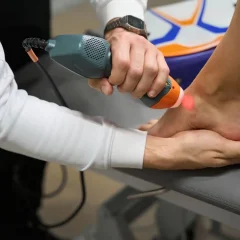
Many medical conferences include workshops and hands-on training sessions. These practical experiences allow attendees to learn new techniques and refine their skills in a supportive environment.
For example, a nurse might participate in a simulation workshop focused on advanced life support techniques. This hands-on training not only enhances their skills but also boosts their confidence when applying these techniques in real-life scenarios. Engaging in such workshops is an invaluable part of professional development that can significantly impact patient care.
Enhancing Patient Care
Implementing New Knowledge in Practice
The knowledge gained at medical conferences can have a direct impact on patient care. When healthcare professionals return to their practices armed with the latest information, they can implement changes that lead to improved patient outcomes.
For instance, after attending a conference focused on diabetes management, a physician may adopt new strategies for patient education and treatment plans. This proactive approach results in better management of the condition, ultimately benefiting patients and enhancing their quality of life.
Sharing Knowledge with Colleagues
Another crucial aspect of attending medical conferences is the opportunity to share knowledge with colleagues. After returning from a conference, healthcare professionals can disseminate valuable insights and findings to their teams.
Consider a nurse who learns about the latest infection control protocols at a conference. By sharing this information with their colleagues, they can improve practices within their healthcare facility, reducing the risk of hospital-acquired infections. This culture of knowledge sharing fosters teamwork and promotes a commitment to excellence in patient care.
Understanding Industry Trends and Challenges
Staying Informed About Healthcare Policies
Medical conferences often address current healthcare policies and regulations that impact practice. By participating in discussions around these topics, healthcare professionals can stay informed about changes that may affect their work.
For example, a conference might cover new legislation affecting telehealth practices. Understanding these changes empowers healthcare providers to adapt their practices accordingly, ensuring compliance while continuing to provide high-quality care.
Recognizing Challenges in the Healthcare Sector
Conferences also provide a platform for discussing the challenges faced by healthcare professionals. By engaging in these conversations, attendees can gain insights into common issues and explore potential solutions.
For instance, a panel discussion might address the challenges of burnout among healthcare workers. By understanding the root causes and exploring innovative solutions, attendees can return to their workplaces equipped with strategies to improve their well-being and that of their colleagues.
Personal Growth and Inspiration
Motivational Speakers and Keynotes
Medical conferences often feature motivational speakers and keynote addresses that inspire attendees. Hearing from influential figures in medicine can reignite passion and purpose in one’s practice.
For example, a renowned physician might share their journey, discussing the challenges they faced and the successes they achieved. Such stories resonate deeply with attendees, reminding them of the impact they can have in their field. This inspiration can lead to renewed enthusiasm for their work and a commitment to making a difference in patient care.
Engaging in Discussions on Future Innovations
Participating in discussions about the future of healthcare is another key benefit of attending medical conferences. These conversations often center on emerging trends, challenges, and innovations that will shape the industry.
By engaging in these discussions, healthcare professionals can contribute their insights while gaining valuable perspectives from others. This collaborative approach fosters a sense of community and shared purpose, driving innovation and improvement in patient care.
Conclusion
Attending medical conferences offers a wealth of benefits for doctors, nurses, and researchers. From networking opportunities to access to the latest research and innovations, these events play a crucial role in the professional development of healthcare providers. By participating in these conferences, healthcare professionals not only enhance their skills and knowledge but also improve patient care.
As the healthcare landscape continues to evolve, the importance of staying informed and connected cannot be overstated. Embrace the opportunity to attend medical conferences, and unlock the potential for personal and professional growth that will ultimately benefit both you and your patients.
FAQs
1. What types of professionals should attend medical conferences? Doctors, nurses, researchers, and other healthcare professionals can all benefit from attending medical conferences to enhance their knowledge and network with peers.
2. How can I find relevant medical conferences in my field? You can find relevant medical conferences through professional organizations, online platforms, and industry newsletters that provide updates on upcoming events.
3. What should I prepare before attending a medical conference? Before attending, review the agenda, set specific goals for what you want to achieve, and prepare questions to engage with speakers and attendees effectively.