Heel pain is a painful and disabling problem that can frustrate anyone regardless of age and the lifestyle. Being a runner, being an educator who has to stand all day, or simply have a nice walk every day, the pain in the heel that has been bothering you can take away your comfort and even your freedom. The good news? You can escape pain with the proper advice and authentic, non-fictional tactics. This book cuts right to the root of heel pain solutions that are actually effective–with the support of professional advice, modern studies and stories that anyone can relate to.
Why Does Heel Pain Happen?
The pain beginning at the heels is most frequently caused by the repeated stress or trauma of tissues surrounding and below your heel. Dr. Michael Harris, board-certified podiatrist, says that the two are most common, which include plantar fasciitis and Achilles tendinitis, yet culpable are heel spurs and bursitis.
Recent research, such as an update in the Journal of Foot & Ankle Research in 2024, confirms that ten percent of individuals will experience heel pain at least once in their lives. Risk factors include:
- Spending a lot of time on your feet (work or sporting activities)
- Unsupportive shoes
- Acute surges of activity.
- Carrying excess weight
The majority of heel pain starts slowly and gets worse with time as it remains unattended. The sooner you take care of it the faster and more thorough the recovery.
Plantar Fasciitis: The Most Common Cause of Heel Pain
A massive proportion of cases of heel pain is attributed to plantar fasciitis. It is the inflammation of the thick band of tissue (plantar fascia) that runs across the bottom of your foot that joins your heel bone with your toes.
A study that was conducted in 2024 reveals that almost 80 percent of chronic cases of heel pain are caused by plantar fasciitis. The classic sign? Sudden pains at the beginning of the day or after a long rest.
Plantar Fasciitis How to address
Stretching Stretching: 10-15 minutes calf and plantar fascia stretching every morning and prior to going to sleep.
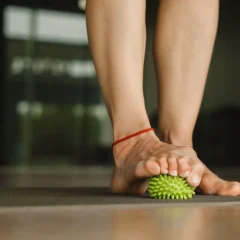
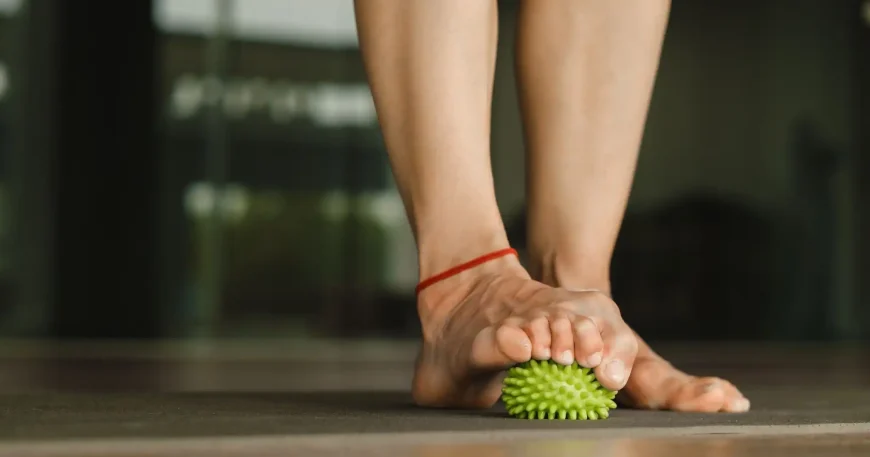
- Rolling: Massaging a frozen and massage ball under your foot.
- Proper Footwear: To wear, one should always have shoes with arch support and cushions at the heels.
- Rest: Reduce high impact exercises, allow your heel to rest.
A number of individuals such as Sarah who was an enthusiastic New York walker finds relief in a little less than three months following these routines.
Achilles tendinitis: The Back of the Heel
Your heel is connected to the Achilles tendon which holds the calf muscles. The inability to flex and sudden activity are causes of overloading which results in small tears and inflammation.
The common symptoms are pain at the back of the heel, swelling, and stiffness that aggravates after exercise. Male patients aged above 35 years are at a greater risk and more so when becoming more active all at once.
Treatment of Achilles Tendinitis
- Warm-Up: Light calf stretches and active warming up.
- Icing: Swelling can be theologically decreased with ice for ten minutes at the end of the day.
- Heel Lifts: Temporary pressure relief to the tendon is achieved by the use of heel inserts.
Physical therapy is particularly helpful to many as a way of strengthening the supporting muscles and regaining the ability to move painlessly.
The Daily Care of Heel Health to Prevent Heel Pain
The daily routines that people engage in to help them prevent and recover heel pain are simple and strong. The following are tips that can be put into practice and are research based:
Footwear Matters
Select a pair of shoes that has sufficient cushioning, stability and shock absorption. Change athletic shoes after every 300-500 miles.
Maintain a Healthy Weight
Any weight loss will take a lot of the pressure off of your heels. A 2023 meta-analysis showed that a 10 pound weight loss decreases the likelihood of heel pain by up to 30 in overweight persons.
Gradual Activity Increases
Gradually increase any exercise program. Sharp activity increases in your feet increasing the risk of injuries.
When and Why To Seek Professional Help
When the pain in the heels persists beyond a period of two weeks despite self-treatment-or when the swelling is intense, painful, or numbness or lacks the ability to support the weight, then it is time to seek professional help.
According to Dr. Harris, neglecting the heel pain may cause chronic conditions that are subsequently more difficult to cure. This can be prevented with early intervention that involves imaging, and custom orthotics that will save months of discomfort.
New diagnostic techniques that guide practitioners to identify the problem and prescribe specific treatments are used by podiatrists, such as ultrasounds and gait analysis.
Improved Solutions: More Than the Basics
In cases where conservative management does not work in unremitting pain, experts may advise:
- Custom Orthotics: Customized foam inserts to help you have the right support by applying to your feet.
- Physical Therapy: Intensive lower leg exercises to strengthen and stretch lower leg.
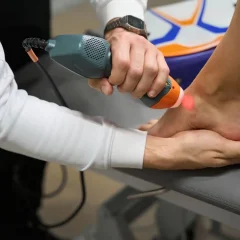
- Shockwave Therapy: More recent research is in favour of low energy shockwave therapy of chronic plantar fasciitis.
- Corticosteroids Injections: These are used on the most recalcitrant cases, in case of severe inflammation.
- Surgical Solutions: This is rare and only in case of failure of all other options after six months or more.
It should be recalled that the majority of the patients get better through non-surgical treatment. Consistency is the real key.
FAQs
What causes most heel pain?
The most usually guilty of heel pain are those caused by plantar fasciitis, Achilles tendinitis, inappropriate footwear and overuse.
What is the rate at which heel pain is cured?
Through correct attention, the majority of the cases heal within two to three months; the continuing pain should be examined by professionals.
Are orthotics using custom unique to wear?
Yes, custom orthotics can be used to relieve pain because they can help to support arches and decrease the pressure that is put on the structures of the heels.