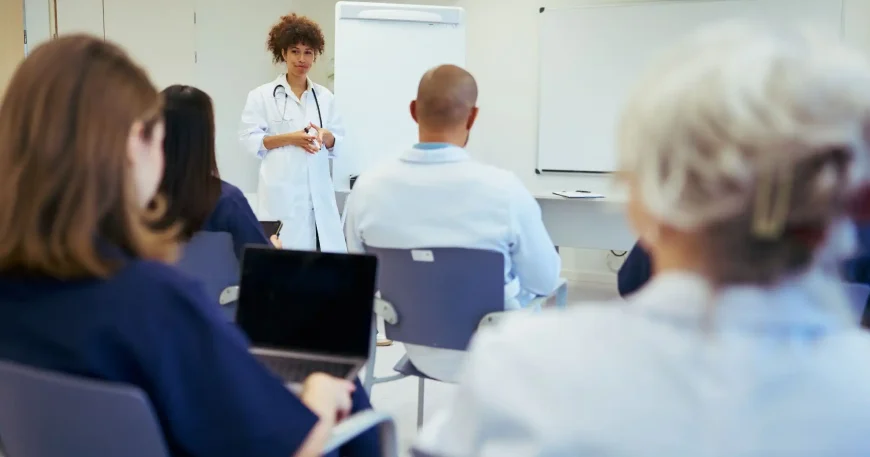
Medical conferences play a vital role in the healthcare industry, providing a platform for professionals to gather, share knowledge, and discuss advancements in medicine. These events are essential for fostering collaboration, enhancing skills, and keeping up-to-date with the latest trends and research. Each conference is unique, often tailored to specific fields of medicine or healthcare specialties. Understanding what topics and sessions are typically covered can help attendees maximize their experience and ensure they gain valuable insights.
Key Themes in Medical Conferences
Innovations in Medical Research
Medical conferences often highlight groundbreaking research that shapes the future of healthcare. Presentations on clinical trials, innovative therapies, and emerging medical technologies are prevalent. These sessions provide valuable insights into how new findings can improve patient care and outcomes.
Breakthroughs in Treatment Modalities
One of the most exciting aspects of medical conferences is the focus on new treatment modalities. Sessions may cover advancements in areas such as gene therapy, immunotherapy, and personalized medicine. Attendees can learn about the latest strategies to address complex conditions, offering hope for patients facing challenging diagnoses.
Evidence-Based Practice
Conferences also emphasize the importance of evidence-based practice. Presenters often share studies and data that support the efficacy of new treatments and interventions. This focus on evidence helps healthcare professionals make informed decisions, ensuring that the best possible care is provided to patients.
Specialized Workshops and Training Sessions
Medical conferences frequently feature workshops and training sessions that allow participants to develop their skills in specific areas. These interactive sessions provide hands-on experience and practical knowledge that can be applied in real-world settings.
Skills Development for Healthcare Professionals
Workshops may cover a range of topics, from advanced surgical techniques to patient communication strategies. These sessions are designed to enhance the skill sets of healthcare professionals, ensuring they are equipped to meet the demands of their roles effectively.
Simulations and Hands-On Training
Many conferences incorporate simulations and hands-on training opportunities, allowing participants to practice new techniques in a controlled environment. These immersive experiences foster confidence and competency, ultimately benefiting patient care.
Current Trends in Healthcare
Telemedicine and Digital Health
The rise of telemedicine and digital health solutions has been a significant focus at recent medical conferences. As technology continues to advance, healthcare providers are increasingly adopting telehealth services to enhance patient access and convenience.
The Future of Remote Patient Monitoring
Sessions discussing remote patient monitoring technologies are becoming more common. These innovations allow healthcare professionals to track patient health metrics from a distance, enabling timely interventions and better management of chronic conditions. This shift towards digital health is transforming the healthcare landscape, making it essential for professionals to stay informed.
Integrating Artificial Intelligence in Medicine
Artificial intelligence (AI) is revolutionizing various aspects of healthcare, and medical conferences provide a platform to explore its applications. Discussions may center around AI-driven diagnostic tools, predictive analytics, and automation in clinical processes.
Ethical Considerations in AI Implementation
As AI becomes more integrated into medical practice, ethical considerations are paramount. Sessions may address the implications of AI on patient privacy, data security, and the role of healthcare professionals in a technology-driven environment. Engaging in these conversations helps ensure that AI is used responsibly and effectively in clinical practice.
Networking and Collaboration Opportunities
Building Professional Relationships
Medical conferences are not just about learning; they are also about networking. Attendees have the chance to connect with peers, mentors, and industry leaders, fostering professional relationships that can lead to future collaborations.
Engaging with Thought Leaders
Many conferences feature keynote speakers who are experts in their fields. These thought leaders share their insights and experiences, providing attendees with valuable perspectives. Engaging with these individuals can open doors to new opportunities and inspire attendees to pursue innovative ideas in their own work.
Collaborative Research Initiatives
Networking at medical conferences can lead to collaborative research initiatives. By connecting with like-minded professionals, attendees can explore potential partnerships for research projects, clinical trials, or educational programs. These collaborations can drive advancements in healthcare and improve patient outcomes.
Expert Advice for Maximizing Conference Attendance
Preparing Ahead of Time
To get the most out of a medical conference, preparation is essential. Attendees should review the agenda in advance, identifying sessions that align with their interests and professional goals. Setting clear objectives for what they hope to achieve can help guide their experience.
Engaging Actively During Sessions
During sessions, active engagement is key. Participants should take notes, ask questions, and interact with speakers and fellow attendees. This level of involvement enhances learning and fosters deeper connections with others in the field.
Following Up After the Conference
Post-conference follow-up is crucial for maintaining connections and reinforcing learning. Attendees should reach out to new contacts, share insights gained during the conference, and explore opportunities for collaboration. This proactive approach ensures that the benefits of attending extend beyond the event itself.
Conclusion
Medical conferences serve as a cornerstone for professional development in the healthcare industry. By covering a wide range of topics, from innovative research to practical skills training, these events provide invaluable opportunities for learning and collaboration. Attendees can stay informed about the latest trends and advancements in medicine while building meaningful connections with peers. As the landscape of healthcare continues to evolve, participating in medical conferences will remain essential for professionals seeking to enhance their knowledge and impact.
FAQs
1. What types of topics are typically discussed at medical conferences?
Medical conferences cover a broad range of topics, including innovations in medical research, advancements in treatment modalities, telemedicine, digital health, and the integration of artificial intelligence in medicine. These sessions provide insights into current trends and challenges in healthcare, ensuring attendees stay informed.
2. How can attending medical conferences benefit healthcare professionals?
Attending medical conferences benefits healthcare professionals by providing opportunities for continuous education, networking, and skills development. Participants can engage with experts, learn about the latest research and technologies, and collaborate with peers, ultimately enhancing their practice and patient care.
3. What should attendees do to prepare for a medical conference?
Attendees should prepare for a medical conference by reviewing the agenda, identifying relevant sessions, and setting objectives for what they hope to achieve. It’s also helpful to connect with other attendees beforehand and plan how to engage actively during the event.
4. How can networking at medical conferences lead to future collaborations?
Networking at medical conferences can lead to future collaborations by connecting like-minded professionals who share common interests and goals. Building relationships during these events can open doors for joint research initiatives, clinical trials, and partnerships that drive advancements in healthcare.
5. Why is following up after a medical conference important?
Following up after a medical conference is important for reinforcing connections made during the event and for sharing insights gained. This proactive approach allows attendees to maintain relationships, explore collaboration opportunities, and continue the learning process long after the conference has ended.