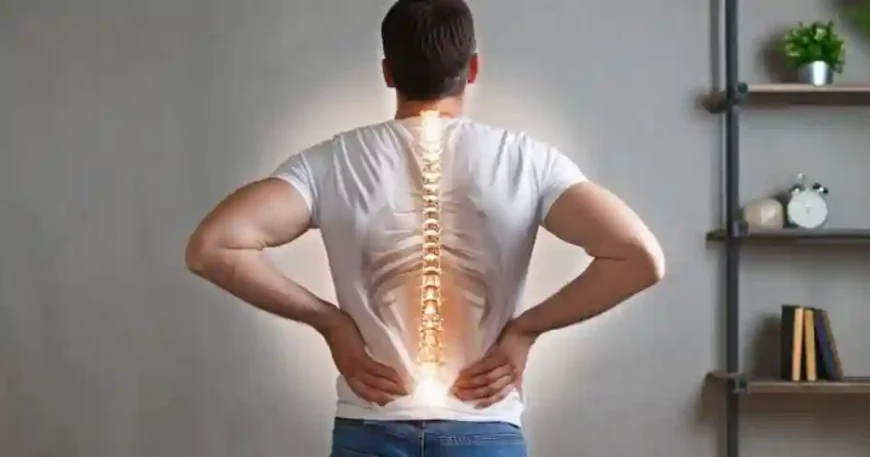
Spinal problems such as chronic back pain, disc degeneration, and nerve compression are becoming more common due to lifestyle changes, aging, and long hours of sitting. Traditional spinal surgeries often focus on removing the source of pain but may limit movement in the affected area. In contrast, motion preservation offers a modern approach that aims to maintain the natural movement of the spine while still treating the underlying problem. This method is gaining attention for its ability to support long-term spinal health and improve quality of life.
Understanding Motion Preservation Surgery
Motion preservation surgery is a group of advanced procedures designed to treat spinal conditions without permanently restricting movement. Instead of fusing two or more vertebrae together, this approach focuses on stabilizing the spine while keeping it flexible. The idea behind motion preservation is to maintain as much natural function as possible so the spine continues to move in a normal and balanced way.
This technique is commonly used for conditions such as herniated discs, degenerative disc disease, and certain types of spinal instability. By preserving movement, it helps reduce stress on other parts of the spine that often become overworked after traditional fusion surgery.
Why Spinal Motion Matters
The spine is not just a structural support system; it plays a key role in movement, balance, and flexibility. Every time a person bends, twists, or stretches, the spine works as a coordinated system. When movement is restricted in one area, other segments often compensate, which can lead to further wear and tear.
Motion preservation helps prevent this chain reaction. By keeping the treated area flexible, it allows the rest of the spine to function naturally. This can be especially important for younger patients or active individuals who want to maintain mobility in their daily lives.
Types of Motion Preservation Techniques
There are several surgical techniques that fall under the concept of motion preservation. One common method is artificial disc replacement, where a damaged disc is replaced with a prosthetic one that mimics natural movement. Another approach is dynamic stabilization, which uses flexible materials to support the spine without locking it into place.
Each technique is selected based on the patient’s condition, age, and overall spinal health. The goal is always the same: to treat the problem while preserving as much movement as possible.
Benefits for Long-Term Spinal Health
One of the main advantages of motion preservation is its focus on long-term outcomes. Because it maintains natural movement, it can reduce the risk of future spinal issues in other areas. Patients often experience improved flexibility, reduced stiffness, and a more natural range of motion after recovery.
Another benefit is the potential for a quicker return to daily activities. Since the spine is not fully fused, the body may adapt more easily during the healing process. This makes motion preservation an appealing option for those who want to maintain an active lifestyle.
Conclusion
Motion preservation represents a significant advancement in spinal care by focusing not only on pain relief but also on maintaining natural movement and function. Unlike traditional spinal fusion, it allows the spine to continue working as a flexible and connected system. For many patients, this modern approach offers a balanced solution that supports both immediate recovery and long-term spinal health.