
Maintaining dental functionality is a lifelong endeavor that requires different strategies at every stage of development. From the emergence of primary teeth in infancy to the preservation of natural teeth in senior years, the goal remains the same: ensuring a comfortable and efficient bite.
A healthy set of teeth is essential not only for proper nutrition and speech but also for overall systemic health. By understanding the unique requirements of each age group, individuals can implement a proactive care plan that protects their oral heritage for decades.
1. Establishing Early Foundations with Children’s Orthodontics
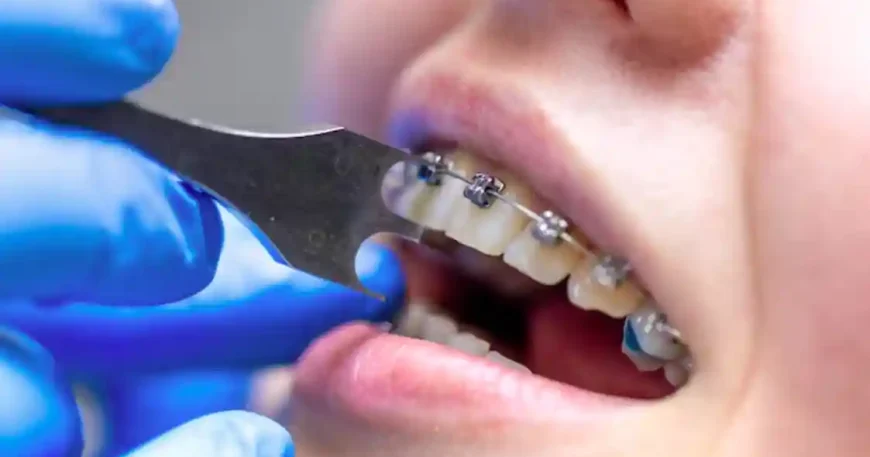
The journey toward a functional smile begins in early childhood, where the alignment of the jaw and emerging teeth sets the stage for future health. Early intervention through children’s orthodontics is often recommended around the age of seven to monitor how the permanent teeth are erupting.
By utilizing children’s orthodontics at the right developmental window, specialists can guide jaw growth and create adequate space for adult teeth.
This proactive approach prevents severe crowding and bite misalignments that could lead to difficulties in chewing or speech as the child matures into an adult.
2. Navigating Young Adulthood and Wisdom Teeth Extraction
As individuals reach their late teens and early twenties, the arrival of third molars presents a new challenge to oral functionality. In many cases, these teeth do not have enough room to emerge properly, leading to impaction or the shifting of existing teeth.
Scheduling a professional evaluation for wisdom teeth extraction is a common and necessary step during this phase.
Timely wisdom teeth extraction prevents the onset of chronic pain, gum infections, and the undoing of previous orthodontic work. Removing these problematic molars ensures the rest of the dental arch remains stable and easy to clean.
3. Prioritizing Gum Health to Prevent Adult Tooth Loss
In the middle years of life, the focus shifts toward protecting the supporting structures of the teeth. Periodontal disease is the leading cause of tooth loss in adults, often resulting from the gradual accumulation of plaque and tartar.
Maintaining functionality during this stage requires rigorous attention to the gum line through flossing and professional deep cleanings.
When the gums are healthy, they provide a firm anchor for the teeth, ensuring that the biting force remains strong and that the natural teeth do not become loose or require removal.
4. The Role of Nutrition in Preserving Enamel Integrity
Functionality is directly linked to the strength of the tooth enamel, which can be compromised by dietary habits over time. To keep teeth strong throughout all ages, it is vital to consume a diet rich in vitamins and minerals like calcium and vitamin D.
Avoiding highly acidic and sugary foods prevents the erosion of the protective outer layer of the teeth. As the mouth naturally produces less saliva with age, staying hydrated becomes even more important to neutralize acids and wash away debris that could lead to structural weakness.
5. Restorative Care for Continued Chewing Efficiency
Despite the best preventive efforts, teeth can occasionally suffer from wear, chips, or decay. Maintaining functionality means addressing these issues immediately through restorative dentistry.
Fillings, crowns, and bridges are not just about aesthetics; they restore the mechanical ability of the mouth to process food.
Replacing a missing tooth or repairing a cracked one prevents the remaining teeth from shifting out of place, which would otherwise cause an uneven bite and lead to jaw joint discomfort.