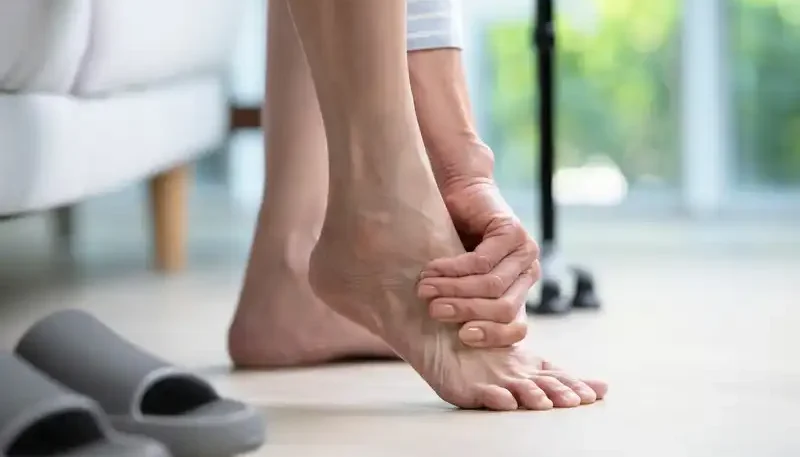
Foot pain is one of the most common physical complaints people experience, yet it is often ignored until walking becomes difficult. Many assume soreness will disappear on its own, but recurring discomfort usually signals a deeper issue involving muscles, joints, tendons, nerves, or pressure imbalance. Since the feet support the entire body, even small problems can affect posture, movement, and long-term mobility.
The causes of foot pain vary widely. Some problems develop gradually because of repetitive stress, while others appear suddenly after injury or inflammation. Lifestyle habits, footwear choices, body weight, and medical conditions all influence how much pressure the feet handle every day. Understanding the source of discomfort is essential because temporary pain relief alone rarely solves the underlying problem.
Why Foot Pain Develops More Often Than People Realize
The human foot contains dozens of bones, joints, ligaments, muscles, and tendons working together to absorb impact and maintain balance. Every step places pressure across these structures. Over time, repeated strain increases the risk of inflammation and mechanical stress.
Modern lifestyles contribute heavily to chronic foot problems. Many people spend hours standing on hard surfaces, wearing unsupportive shoes, or walking with poor posture. Others suddenly increase physical activity without allowing the feet to adapt gradually. Even sedentary habits create problems because weak muscles reduce stability and increase stress on certain areas of the foot.
One advanced challenge with foot pain is compensation. When one part of the foot hurts, people unconsciously shift weight elsewhere. This temporary adjustment often creates new problems in the ankles, knees, hips, or lower back. As a result, untreated foot pain rarely remains isolated for long.
Understanding the Most Common Causes of Foot Pain
Several conditions repeatedly appear among people seeking foot pain relief. While symptoms differ, many problems begin with mild discomfort that gradually worsens.
Plantar Fasciitis and Heel Strain
Plantar fasciitis is one of the leading causes of foot pain, especially among adults who stand or walk for long periods. The plantar fascia is a thick band of tissue running along the bottom of the foot. When it becomes irritated, inflammation develops near the heel.
Pain is often strongest during the first steps in the morning or after long periods of rest. Many people ignore these early warning signs until discomfort becomes constant throughout the day.
Flat feet, high arches, excess body weight, and inadequate footwear all increase strain on the plantar fascia. Athletes and workers who spend long hours on hard floors face higher risks because repetitive impact gradually weakens the tissue.
Recovery is challenging because the foot never fully rests during normal movement. Without proper support and activity adjustments, inflammation may become chronic.
Bunions and Joint Misalignment
Bunions develop when the big toe joint gradually shifts out of alignment. This creates a visible bump near the base of the toe and changes how pressure is distributed while walking.
Tight shoes with narrow toe boxes accelerate progression by forcing the toes into unnatural positions. Over time, joint irritation increases and surrounding tissues become inflamed.
One overlooked problem with bunions is how they affect overall movement mechanics. As alignment changes, people alter their walking patterns to reduce pressure on the painful joint. This compensation often increases stress elsewhere in the foot.
Early intervention matters because severe bunions may eventually limit mobility and require surgical correction.
Flat Feet and Arch Problems
Healthy arches help distribute body weight evenly across the feet. When arches collapse or fail to provide support, strain shifts toward muscles, tendons, and joints.
Flat feet frequently cause fatigue, heel pain, and swelling after long periods of activity. Some individuals are born with flat feet, while others develop the condition gradually because of aging, injury, or tendon weakness.
Arch problems also affect posture. Poor alignment changes how the knees and hips move, increasing the likelihood of discomfort throughout the lower body.
Supportive footwear and orthotics often improve symptoms, but ignoring the condition may allow chronic inflammation to develop over time.
Corns, Calluses, and Pressure Damage
Repeated friction and pressure create thickened areas of skin called corns and calluses. Although they may seem minor initially, they can become painful when pressure continues daily.
Ill-fitting shoes are one of the most common causes. High heels, tight footwear, and prolonged standing increase irritation significantly.
Many people attempt to remove thickened skin aggressively at home. This often worsens sensitivity or creates small injuries that increase infection risk.
Persistent pressure damage usually signals a mechanical issue rather than a simple skin problem. Addressing footwear and walking patterns is essential for long-term relief.
Injuries That Frequently Trigger Foot Pain
Not all foot pain develops gradually. Acute injuries and repetitive stress damage are also major contributors.
Stress Fractures From Repetitive Activity
Stress fractures are tiny cracks in the bone caused by repeated impact rather than sudden trauma. Runners, athletes, and highly active individuals face the highest risk.
Unlike ordinary soreness, stress fracture pain becomes more intense during activity and improves with rest. Swelling and tenderness often appear in a specific area rather than throughout the entire foot.
One advanced challenge is delayed diagnosis. Many people continue exercising because the pain initially feels manageable. Continued impact may worsen the fracture and extend recovery significantly.
Gradual training progression and proper footwear are critical for prevention.
Sprains and Ligament Damage
Foot and ankle sprains occur when ligaments stretch beyond their normal range. Twisting injuries are especially common during sports or uneven walking surfaces.
Pain, swelling, bruising, and instability often develop quickly after injury. However, incomplete recovery creates long-term weakness that increases the risk of repeated sprains.
Some people return to activity too soon because symptoms temporarily improve. Without proper rehabilitation, ligament instability may persist and affect balance permanently.
Tendon Inflammation and Overuse Injuries
Tendons connect muscles to bones and absorb large amounts of stress during movement. Overuse, poor mechanics, and sudden increases in activity often trigger inflammation.
Achilles tendon pain is especially common among runners and active adults. Symptoms typically begin as stiffness or soreness near the back of the heel.
Recovery becomes difficult when repetitive strain continues daily. Inflammatory conditions may gradually become degenerative if rest and rehabilitation are ignored.
Medical Conditions That Contribute to Foot Pain
Some causes of foot pain originate from broader health conditions rather than direct injuries.
Arthritis frequently affects the small joints in the feet, creating stiffness, swelling, and reduced flexibility. Osteoarthritis develops gradually with wear and aging, while inflammatory arthritis conditions may cause sudden flare-ups.
Diabetes presents another serious concern because nerve damage and poor circulation increase the risk of numbness, burning sensations, and slow-healing injuries. Small cuts or pressure points may become severe complications if ignored.
Gout causes intense inflammatory attacks, often affecting the big toe joint. Pain may appear suddenly and become severe within hours.
Nerve compression disorders such as Morton’s neuroma create burning pain or tingling between the toes. Symptoms often worsen in tight shoes because pressure irritates the affected nerve further.
These medical conditions require more than temporary symptom management. Long-term treatment strategies must address the underlying disease process itself.
How Footwear Choices Influence Foot Pain
Footwear directly affects pressure distribution, alignment, and shock absorption. Poor shoe choices remain one of the most preventable causes of foot pain.
The Impact of Poorly Fitted Shoes
Shoes that are too tight increase friction and compress nerves, joints, and soft tissue. Shoes that are too loose reduce stability and force muscles to work harder for balance.
Many people prioritize appearance over support, especially when selecting work or formal footwear. Over time, poor fit contributes to bunions, corns, tendon strain, and arch problems.
Cushioning is equally important. Hard soles increase impact stress, particularly on concrete or tile floors.
High Heels, Hard Soles, and Minimal Support
High heels shift body weight toward the front of the foot and increase pressure on the toes. Long-term use may shorten calf muscles and strain tendons.
Minimal-support footwear creates another problem by reducing shock absorption. Thin soles allow repeated impact forces to transfer directly into joints and connective tissue.
Even fashionable athletic shoes may fail to provide adequate support if they are not designed for the wearer’s activity level or foot structure.
Athletic Shoes and Performance-Related Stress
Exercise-specific footwear matters more than many people realize. Running shoes, walking shoes, and training shoes are built for different movement patterns.
Worn-out soles also increase injury risk because cushioning gradually loses effectiveness. Many people continue wearing shoes long after support deteriorates.
Replacing footwear regularly is a simple but highly effective preventive strategy.
Lifestyle Habits That Increase Foot Pain Risks
Daily habits strongly influence foot health. Standing for long periods increases pressure and fatigue, especially on hard surfaces. Sudden increases in exercise intensity overload muscles and tendons before they adapt.
Weight gain creates additional stress because the feet absorb every pound of body weight during movement. Even modest increases in weight can significantly affect pressure distribution.
Sedentary lifestyles create a different problem. Weak foot and leg muscles reduce stability and increase strain during movement. Mobility limitations gradually worsen without regular activity.
The combination of poor conditioning and sudden physical activity is especially problematic because the feet lack the strength needed to handle stress safely.
Recognizing Symptoms That Require Immediate Attention
Not all foot pain should be treated casually. Persistent swelling, redness, numbness, or sharp pain may indicate serious problems requiring medical evaluation.
Burning sensations or tingling often suggest nerve involvement. Sudden warmth and swelling may indicate infection or inflammatory disease.
Pain that prevents weight-bearing deserves immediate attention, especially after injury. Ignoring severe symptoms increases the risk of long-term complications and delayed recovery.
People with diabetes should monitor even minor foot changes carefully because reduced sensation increases injury risks.
The Role of Body Mechanics in Chronic Foot Pain
Body mechanics influence how pressure moves through the feet during walking and standing. Poor posture, uneven gait patterns, and muscle imbalances often contribute to recurring pain.
Knee or hip problems may shift pressure toward one side of the body, overloading specific areas of the foot. Over time, this uneven stress increases inflammation and tissue strain.
Some individuals naturally walk with excessive inward or outward foot rolling. Without correction, these movement patterns gradually increase injury risk.
Treating foot pain successfully often requires evaluating the entire lower body rather than focusing only on the painful area.
Mistakes People Make When Trying to Relieve Foot Pain
One of the biggest mistakes is ignoring early discomfort until mobility becomes limited. Many conditions respond better to early intervention than late-stage treatment.
Another common issue is relying entirely on pain medication without addressing the mechanical cause. Temporary relief may hide worsening inflammation or structural damage.
Continuing high-impact exercise despite pain is also risky. Rest and gradual recovery are essential for healing tendon and ligament injuries properly.
Some people purchase generic inserts or supportive products without understanding their specific foot structure. Incorrect support may worsen pressure imbalance instead of improving it.
Effective Strategies for Managing and Preventing Foot Pain
Long-term foot pain relief requires a combination of prevention, recovery, and structural support.
Stretching improves flexibility and reduces tension in muscles and connective tissue. Supportive shoes help distribute pressure more evenly during movement.
Activity modification is equally important. Reducing repetitive impact during flare-ups prevents worsening inflammation.
Recovery strategies such as rest, ice, compression, and elevation help control swelling and discomfort after injury or overuse.
Professional treatment becomes necessary when pain persists or interferes with mobility. Physical therapy, orthotics, imaging tests, and targeted rehabilitation often improve chronic conditions significantly.
The most effective approach focuses on correcting the underlying cause rather than masking symptoms temporarily.
Conclusion
The causes of foot pain range from mild pressure irritation to chronic inflammatory conditions and structural problems. Plantar fasciitis, bunions, tendon injuries, poor footwear, and medical conditions all affect how the feet function daily.
Ignoring discomfort often allows small problems to become long-term mobility challenges. Early recognition, supportive footwear, proper recovery, and healthy movement habits play a major role in preventing chronic pain.
Foot health affects far more than comfort alone. It influences posture, balance, physical activity, and overall quality of life. Protecting the feet with consistent care and timely treatment is one of the most important investments in long-term mobility and physical well-being.