Foot pain is one of the most common physical complaints people experience, yet it is often ignored until it begins to interfere with daily life. Whether you are standing for long hours, walking frequently, or simply wearing the wrong shoes, your feet are under significant amount of stress every day. This constant pressure can lead to discomfort, inflammation, and even chronic conditions over time.
The human foot is a complex structure made up of bones, muscles, ligaments, and tendons. When any part of this system is strained or injured, pain can develop. According to medical research, millions of people worldwide suffer from foot-related issues each year, making foot pain relief an essential topic for maintaining overall health and mobility.
Common causes behind persistent foot discomfort
Foot pain can arise from a variety of causes, ranging from temporary strain to long-term medical conditions. One of the most common causes is overuse, which occurs when the feet are subjected to repetitive stress without adequate rest. This is particularly common among athletes, retail workers, and individuals who spend long hours standing.
Another major cause is improper footwear. Shoes that do not provide proper support can lead to misalignment and pressure points. Conditions like Plantar Fasciitis are often linked to poor footwear choices. This condition involves inflammation of the tissue connecting the heel to the toes and is one of the leading causes of heel pain.
The role of lifestyle and daily habits
Lifestyle choices play a significant role in foot health. Sedentary behavior, obesity, and lack of exercise can weaken the muscles in the feet, making them more susceptible to injury. On the other hand, excessive physical activity without proper care can also lead to strain and discomfort.
Maintaining a balanced lifestyle is key to preventing foot pain. Simple habits such as stretching, maintaining a healthy weight, and choosing supportive footwear can make a significant difference. These small changes contribute to long-term foot pain relief and overall well-being.
Recognizing different types of foot pain
Not all foot pain is the same, and understanding the type of pain you are experiencing is crucial for effective treatment. Heel pain, arch pain, and toe pain each have different underlying causes and require specific approaches.
For example, heel pain is often associated with plantar fasciitis, while arch pain may be linked to flat feet or overuse. Toe pain can result from conditions like bunions or arthritis. Identifying the exact location and nature of the pain helps in choosing the most appropriate foot pain relief methods.
Early signs you should not ignore
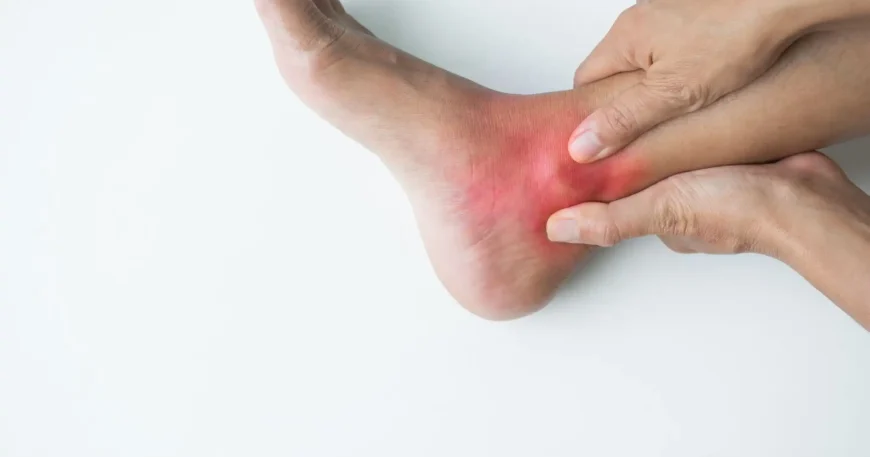
Foot pain often starts as mild discomfort but can worsen if left untreated. Early signs include stiffness, swelling, redness, and difficulty walking. These symptoms may seem minor at first, but they can indicate underlying issues that require attention.
Ignoring these signs can lead to more serious conditions, including chronic pain and mobility issues. Seeking early treatment not only provides immediate relief but also prevents long-term complications. Listening to your body is essential for maintaining healthy feet.
Effective home remedies for foot pain relief
Many cases of foot pain can be managed effectively at home. Rest is one of the simplest and most effective remedies. Allowing your feet to recover after a long day can significantly reduce discomfort.
Applying ice to the affected area helps reduce inflammation and numb pain. Gentle stretching exercises can also improve flexibility and relieve tension. These methods are widely recommended by health professionals as first-line treatments for mild to moderate foot pain.
The importance of proper footwear
Choosing the right footwear is one of the most effective ways to achieve foot pain relief. Shoes should provide adequate support, cushioning, and a proper fit. Wearing shoes that are too tight or too loose can lead to discomfort and long-term issues.
Orthopedic shoes and insoles are often recommended for individuals with chronic foot pain. These products are designed to support the natural shape of the foot and distribute weight evenly. Investing in quality footwear can prevent many common foot problems.
Medical treatments for severe cases
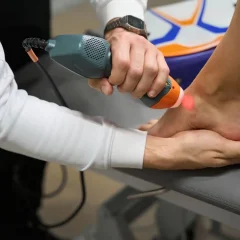
When home remedies are not enough, medical treatment may be necessary. Doctors may recommend physical therapy, medications, or specialized treatments depending on the severity of the condition. Over-the-counter medications like Ibuprofen can help reduce inflammation and provide temporary relief.
In more severe cases, treatments such as corticosteroid injections or surgery may be required. These options are typically considered when other methods have failed. Consulting a healthcare professional ensures that you receive the most appropriate treatment for your condition.
Real-life example of overcoming foot pain
Consider a working professional who spends long hours standing. Initially, they experience mild discomfort, which gradually develops into persistent heel pain. After consulting a specialist, they are diagnosed with plantar fasciitis.
By switching to supportive footwear, incorporating daily stretching exercises, and following a treatment plan, they experience significant improvement. This example highlights how early intervention and proper care can lead to effective foot pain relief and improved quality of life.
The role of exercise and stretching
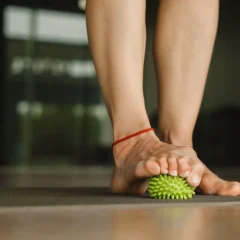
Regular exercise and stretching are essential for maintaining foot health. Strengthening the muscles in the feet and lower legs can improve stability and reduce the risk of injury. Simple exercises such as toe curls and calf stretches can make a big difference.
Stretching helps improve flexibility and reduce tension in the muscles and ligaments. Incorporating these practices into your daily routine can prevent pain and enhance overall mobility. Consistency is key to achieving long-term benefits.
How weight management impacts foot health
Body weight has a direct impact on foot health. Excess weight increases pressure on the feet, leading to strain and discomfort. This can contribute to conditions like plantar fasciitis and arthritis.
Maintaining a healthy weight reduces stress on the feet and improves overall mobility. A balanced diet and regular exercise are essential for weight management. These lifestyle changes not only support foot pain relief but also promote overall health.
The connection between posture and foot pain
Posture plays a significant role in foot health. Poor posture can lead to uneven weight distribution, causing strain on certain parts of the foot. This can result in pain and discomfort over time.
Improving posture involves maintaining proper alignment while standing and walking. Simple adjustments, such as keeping your back straight and distributing weight evenly, can reduce stress on the feet. This holistic approach contributes to effective foot pain relief.
Preventive strategies for long-term relief
Prevention is always better than cure when it comes to foot pain. Regular check-ups, proper footwear, and maintaining a healthy lifestyle are key preventive measures. Paying attention to early signs of discomfort can help you address issues before they become serious.
Incorporating foot care into your daily routine ensures long-term health and comfort. Simple practices like washing and moisturizing your feet, trimming nails properly, and avoiding prolonged standing can make a significant difference.
When to seek professional help
While many cases of foot pain can be managed at home, there are situations where professional help is necessary. Persistent pain, severe swelling, or difficulty walking should not be ignored. These symptoms may indicate a more serious condition that requires medical attention.
Consulting a specialist ensures accurate diagnosis and effective treatment. Early intervention can prevent complications and improve outcomes. Knowing when to seek help is an important aspect of managing foot pain.
Future trends in foot pain treatment
Advancements in medical technology are improving the way foot pain is treated. Innovations such as custom orthotics, advanced imaging techniques, and minimally invasive procedures are making treatments more effective and accessible.
Researchers are also exploring new therapies to address chronic pain. These developments offer hope for individuals who struggle with persistent foot issues. Staying informed about these trends can help you make better decisions بشأن your health.
Conclusion: taking steps toward healthier feet
Foot pain can significantly impact your quality of life, but it is often preventable and manageable with the right approach. Understanding the causes, recognizing early signs, and adopting effective treatments are essential steps toward relief.
By making informed choices and prioritizing foot health, you can enjoy greater comfort and mobility. Whether through lifestyle changes, home remedies, or medical treatments, achieving foot pain relief is within reach for everyone.
FAQs
What is the fastest way to achieve foot pain relief?
The fastest way to achieve foot pain relief is by resting the affected area, applying ice, and using supportive footwear. Over-the-counter medications can also help reduce inflammation. Combining these methods provides quick relief while addressing the underlying cause of the pain effectively and safely.
Can foot pain go away on its own?
Mild foot pain can go away on its own with rest and proper care. However, persistent or severe pain may require medical attention. Ignoring symptoms can lead to complications, so it is important to monitor your condition and seek help if the pain does not improve over time.
Are home remedies enough for chronic foot pain?
Home remedies can help manage mild to moderate foot pain, but chronic conditions often require professional treatment. A combination of medical care, physical therapy, and lifestyle changes is usually necessary for long-term relief. Consulting a healthcare provider ensures the most effective and appropriate treatment plan.