Foot pain is one of the most common physical complaints experienced by people of all ages. Because the feet support the body’s weight and absorb significant impact during daily activities, they are subjected to considerable stress throughout life. Walking, standing, exercising, working, and even routine household activities place continuous demands on the feet, making discomfort and pain relatively common. While some foot conditions require professional medical treatment, many cases of mild to moderate foot pain can often be managed effectively at home without relying on medication.
Non-medication approaches to foot pain relief have gained popularity because they focus on addressing underlying causes rather than simply masking symptoms. Techniques such as stretching, proper footwear selection, rest, massage, strengthening exercises, and lifestyle modifications can help reduce discomfort while promoting long-term foot health. Understanding how foot pain develops and how various home-based strategies work can empower individuals to manage symptoms safely and improve mobility, comfort, and overall quality of life. By incorporating appropriate self-care practices into daily routines, many people can experience meaningful relief while reducing the risk of future foot problems.
Understanding Foot Pain
Foot pain can arise from numerous causes affecting different structures within the foot.
These structures include:
- bones
- muscles
- tendons
- ligaments
- nerves
- joints
Because the foot contains dozens of interconnected components, discomfort may develop from a variety of mechanical, inflammatory, or lifestyle-related factors.
Understanding the source of pain is often the first step toward effective relief.
Why Foot Pain Is So Common
The average person takes thousands of steps every day.
This repetitive movement places continuous stress on:
- arches
- heels
- toes
- ankles
- connective tissues
Over time, these stresses can contribute to soreness, inflammation, and overuse injuries.
Modern lifestyles, prolonged standing, and inappropriate footwear can further increase the risk of foot discomfort.
Common Causes of Foot Pain
Several conditions commonly contribute to foot pain.
Examples include:
- plantar fasciitis
- muscle fatigue
- tendon strain
- arch problems
- overuse injuries
- poor footwear support
Each cause may require slightly different management strategies.
However, many non-medication approaches can provide broad relief regardless of the specific source.
The Importance of Identifying Symptoms
Before beginning home treatment, it is important to understand the nature of the pain.
Key considerations include:
- pain location
- severity
- duration
- activity triggers
- associated swelling
Recognizing symptom patterns can help determine whether home care is appropriate or if professional evaluation is necessary.
Rest as a Foundation for Recovery
Rest remains one of the most effective methods for relieving foot pain.
When discomfort results from overuse or repetitive strain, reducing activity allows tissues time to recover.
Rest can help:
- decrease inflammation
- reduce stress on tissues
- support healing
- prevent symptom progression
Temporary activity modification often provides significant relief.
Reducing Repetitive Stress
Many foot problems develop because tissues are repeatedly overloaded.
Examples may include:
- excessive walking
- prolonged standing
- intense exercise
- repetitive movements
Reducing these activities for a short period can minimize irritation and allow recovery processes to occur.
Elevating the Feet
Foot elevation can help reduce discomfort associated with swelling and fatigue.
Raising the feet above heart level may:
- improve circulation
- decrease swelling
- reduce pressure
- enhance comfort
Elevation is particularly beneficial after long periods of standing or physical activity.
Ice Therapy for Pain Relief
Cold therapy is a widely used non-medication treatment for foot pain.
Applying ice may help:
- reduce inflammation
- decrease swelling
- numb discomfort
- limit tissue irritation
Ice therapy is especially useful following activity that aggravates symptoms.
Safe Ice Application Methods
Ice should never be applied directly to the skin.
Safer approaches include:
- wrapped ice packs
- cold compresses
- frozen water bottles
- cloth barriers
Applications typically last between 15 and 20 minutes at a time.
Repeated sessions throughout the day may provide additional benefits.
Stretching for Foot Pain Relief
Stretching helps improve flexibility and reduce tension in muscles and connective tissues.
Regular stretching may:
- improve mobility
- decrease stiffness
- enhance circulation
- reduce strain
Many common causes of foot pain respond well to targeted stretching exercises.
Calf Stretching and Foot Health
Tight calf muscles often contribute to foot discomfort.
Calf stretches help improve flexibility in structures connected to the foot.
Benefits include:
- reduced tension
- improved walking mechanics
- decreased plantar stress
- better range of motion
Consistent stretching may support long-term symptom improvement.
Plantar Fascia Stretching
The plantar fascia is a thick band of tissue running along the bottom of the foot.
Stretching this structure may help individuals experiencing:
- heel pain
- arch discomfort
- morning stiffness
Gentle stretching can reduce tension and improve flexibility over time.
Toe Flexibility Exercises
Toes play an important role in balance and movement.
Simple toe stretches can help:
- improve mobility
- reduce stiffness
- enhance circulation
- support foot function
Maintaining flexibility throughout the foot contributes to overall comfort.
Strengthening the Foot Muscles
Strong foot muscles help support proper alignment and movement.
Weakness may contribute to:
- fatigue
- instability
- arch problems
- overuse injuries
Strengthening exercises can improve foot function while reducing pain.
Towel Curl Exercises
A common strengthening exercise involves using the toes to pull a towel toward the body.
This movement helps strengthen:
- intrinsic foot muscles
- toe flexors
- arch-supporting structures
Regular practice can improve stability and support.
Marble Pickup Exercises
Picking up small objects with the toes provides another effective strengthening exercise.
Benefits include:
- improved coordination
- stronger foot muscles
- enhanced dexterity
- better balance
These exercises require minimal equipment and can be performed at home.
The Role of Supportive Footwear
Footwear has a major influence on foot health.
Supportive shoes help distribute pressure more evenly while reducing stress on vulnerable structures.
Important features include:
- arch support
- cushioning
- stability
- proper fit
Appropriate footwear often plays a critical role in long-term pain relief.
Avoiding Unsupportive Shoes
Certain footwear choices may contribute to discomfort.
Examples include:
- worn-out shoes
- high heels
- flat sandals
- poorly fitted footwear
Replacing unsupportive shoes often provides noticeable improvements in comfort.
Arch Support and Alignment
Proper arch support helps maintain natural foot mechanics.
Supportive footwear can assist with:
- pressure distribution
- alignment
- shock absorption
- stability
Individuals with arch-related discomfort often benefit from improved support.
Orthotic Inserts
Orthotic inserts can provide additional support and cushioning.
These devices may help:
- improve alignment
- reduce pressure
- support arches
- enhance comfort
Both over-the-counter and custom options are available depending on individual needs.
Massage for Foot Pain Relief
Massage is a popular non-medication approach for reducing foot discomfort.
Potential benefits include:
- improved circulation
- reduced muscle tension
- relaxation
- temporary pain relief
Many individuals find massage particularly helpful after prolonged activity.
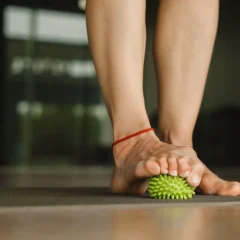
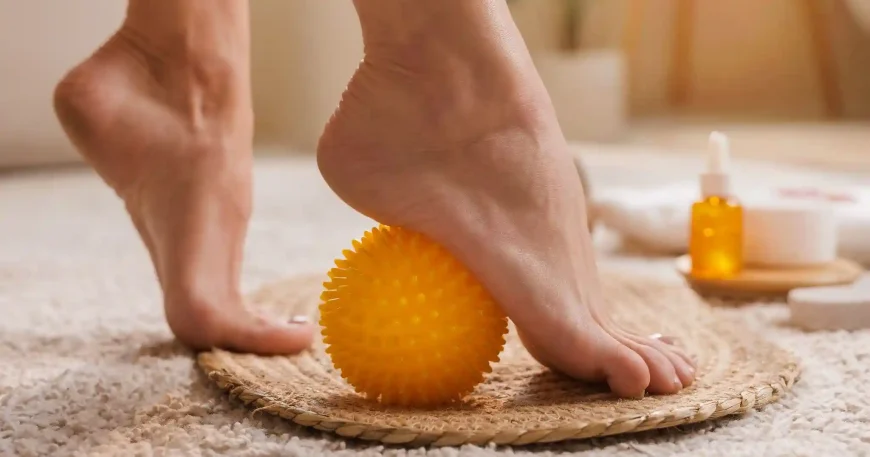
Using a Massage Ball
Rolling the foot over a massage ball can target tight tissues.
This technique may help:
- relieve arch tension
- improve flexibility
- reduce stiffness
- promote relaxation
A tennis ball or specialized massage ball often works well.
Self-Massage Techniques
Simple hand massage techniques can focus on:
- arches
- heels
- toes
- calf muscles
Regular self-massage may contribute to improved comfort and mobility.
Warm Water Foot Soaks
Warm water soaks are commonly used to relieve tired and sore feet.
Potential benefits include:
- muscle relaxation
- improved circulation
- stress reduction
- temporary pain relief
Many people find foot soaks soothing after long days of activity.
Epsom Salt Foot Baths
Some individuals add Epsom salt to warm water foot baths.
Although scientific evidence varies, many users report benefits such as:
- relaxation
- reduced soreness
- improved comfort
Foot baths may also encourage routine self-care practices.
Maintaining a Healthy Body Weight
Body weight influences the amount of stress placed on the feet.
Excess weight increases pressure on:
- arches
- heels
- joints
- tendons
Weight management may help reduce chronic foot discomfort while improving overall mobility.
Improving Walking Mechanics
Walking patterns can influence foot pain.
Poor mechanics may increase strain on certain structures.
Paying attention to:
- posture
- stride length
- foot placement
can help reduce unnecessary stress.
In some cases, professional gait evaluation may be beneficial.
Avoiding Prolonged Standing
Extended standing can contribute to:
- muscle fatigue
- swelling
- heel pain
- arch discomfort
When possible, taking periodic breaks can reduce stress on the feet.
Alternating positions throughout the day may also help.
The Importance of Regular Movement
While rest is important, complete inactivity is not always ideal.
Gentle movement can promote:
- circulation
- flexibility
- recovery
- joint mobility
Balanced activity levels often support healing better than prolonged immobilization.
Yoga and Foot Health
Yoga incorporates stretches and movements that may benefit foot function.
Potential advantages include:
- flexibility improvements
- balance enhancement
- muscle strengthening
- stress reduction
Several yoga poses specifically target the feet and lower legs.
Balance Training Exercises
Balance exercises strengthen muscles involved in stability and coordination.
Examples include:
- single-leg stands
- controlled weight shifts
- stability drills
Improved balance may help reduce strain and injury risk.
Managing Morning Foot Pain
Some individuals experience increased discomfort upon waking.
Morning foot pain is common in conditions involving tissue tightness.
Gentle stretching before standing can help:
- reduce stiffness
- improve mobility
- ease initial discomfort
Establishing a morning routine may provide ongoing benefits.
Nighttime Recovery Strategies
Evening recovery practices can support foot health.
Helpful habits may include:
- stretching
- elevation
- massage
- proper footwear removal
Consistent routines may reduce next-day discomfort.
Hydration and Tissue Health
Hydration supports overall tissue function.
Adequate fluid intake contributes to:
- circulation
- muscle performance
- joint function
- recovery processes
While hydration alone will not eliminate foot pain, it supports overall health.
Managing Foot Pain During Exercise
Exercise remains important for overall health.
However, painful symptoms may require modifications.
Strategies include:
- reducing intensity
- changing activities
- increasing recovery time
- selecting supportive footwear
Low-impact exercises may be particularly beneficial.
Low-Impact Activities
Activities that reduce foot stress include:
- swimming
- cycling
- water aerobics
- rowing
These exercises allow continued physical activity while minimizing impact.
The Psychological Impact of Pain
Chronic pain can affect emotional well-being.
Foot discomfort may contribute to:
- frustration
- reduced activity
- stress
- decreased quality of life
Addressing pain through healthy coping strategies can support overall wellness.
When Home Treatment May Not Be Enough
While many cases of foot pain improve with self-care, some situations require professional evaluation.
Warning signs include:
- severe pain
- persistent swelling
- numbness
- inability to bear weight
- worsening symptoms
Prompt assessment may prevent complications.
Frequently Asked Questions
1. What is the fastest way to relieve foot pain at home?
The fastest relief often comes from a combination of rest, ice therapy, elevation, and reducing activities that aggravate symptoms. While results vary depending on the cause of the pain, these strategies can help reduce inflammation and discomfort relatively quickly while supporting recovery.
2. Can stretching really help foot pain?
Yes. Stretching can improve flexibility, reduce tension in muscles and connective tissues, and enhance mobility. Conditions such as plantar fasciitis and muscle tightness often respond well to consistent stretching routines that target the feet, calves, and lower legs.
3. How do I know if foot pain requires medical attention?
Medical evaluation may be necessary if pain is severe, persistent, worsening, associated with significant swelling, numbness, deformity, or difficulty walking. Professional assessment is also important when symptoms do not improve despite appropriate home treatment measures.
Final Thoughts
Foot pain can interfere with daily activities, mobility, exercise, and overall quality of life. Fortunately, many cases of mild to moderate discomfort can be managed effectively at home without medication through a combination of rest, stretching, strengthening exercises, supportive footwear, massage, ice therapy, and healthy lifestyle habits. These strategies focus on addressing underlying mechanical and functional factors rather than simply masking symptoms.
Consistent self-care often produces the best results. Regular stretching, appropriate footwear selection, muscle strengthening, and recovery practices can not only relieve existing discomfort but also reduce the likelihood of future foot problems. While some conditions require professional medical treatment, many individuals can achieve meaningful relief through non-medication approaches that promote long-term foot health. By understanding the causes of foot pain and adopting evidence-based self-care strategies, people can improve comfort, maintain mobility, and support overall well-being for years to come.